





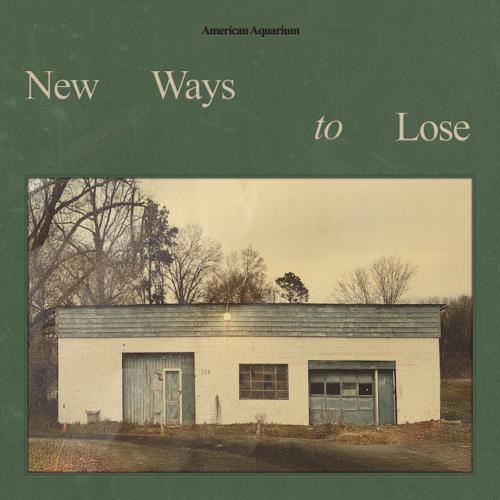
New Ways to Lose American Aquarium
Album Info
Album Veröffentlichung:
2026
HRA-Veröffentlichung:
26.06.2026
Label: Losing Side Records
Genre: Country
Subgenre: Alternative Country
Interpret: American Aquarium
Das Album enthält Albumcover
- 1 Dollar General 03:40
- 2 Can't Into Could 03:44
- 3 4x60 03:17
- 4 Twin Flames 03:01
- 5 Out There in the Dark 03:52
- 6 History Repeats Itself 03:01
- 7 Favorite Hello 03:05
- 8 Whatever Helps You Sleep at Night 03:09
- 9 Just Like You 04:06
- 10 Bad Habits 03:38
Info zu New Ways to Lose
Auf dem neuen Album von American Aquarium, New Ways to Lose, das am 26. Juni über Losing Side Records/Thirty Tigers erscheint, verwandeln Frontmann BJ Barham und seine Band aus erfahrenen Tourmusikern zwei Jahrzehnte des Überlebenskampfes in ein mitreißendes, tief empfundenes Rock-’n’-Roll-Statement – eines, das auf Widerstandsfähigkeit, Neuerfindung und der hart erarbeiteten Klarheit basiert, die nur mit der Zeit kommt. Das Album, das erneut von dem mehrfachen Grammy-Gewinner Shooter Jennings produziert wurde, entstand in Los Angeles während einer zehntägigen Session, die die Band in ihrer unmittelbarsten und lebendigsten Form einfing. Ein Großteil des Albums wurde live aufgenommen, wobei Jennings Spontaneität und Instinkt gegenüber Perfektion förderte, während eine Runde Overdubs die Möglichkeit bot, den Songs dreistimmige Harmonien und Bläserarrangements hinzuzufügen. Das Ergebnis ist ein kraftvolles, cineastisches Album, das beide Seiten der Identität von American Aquarium vereint: die verletzlichen Bekenntnisse eines Songwriters, der bereits Jahrzehnte damit verbracht hat, sein Handwerk zu verfeinern, und die Vollgas-Entfesselung einer hymnischen, verstärkten Rock-’n’-Roll-Band.
Für Barham – der die Band 2006 in Raleigh, North Carolina, gründete – ist das Album nicht nur eine Momentaufnahme einer Band auf dem Höhepunkt ihrer Karriere. Es ist auch ein persönlicher Wendepunkt. „Alle meine Alben sind Jahrbücher“, sagt er. „In zwanzig Jahren werde ich sie aus dem Regal holen und mich genau daran erinnern, wer ich war, als ich sie geschrieben habe.“ Wenn frühere Alben Einblicke in das Leben eines Mannes in seinen 20ern boten, der sich durch einen Nebel aus Unsicherheit, Herzschmerz und schlechtem Benehmen kämpfte, dann schreibt Barham auf New Ways to Lose aus einer hart erkämpften Reife heraus. Er ist nicht mehr nur ein Songwriter; er ist ein Ehemann, Vater und Bandleader, der sich vollkommen wohl dabei fühlt, sich den dunklen Ecken der menschlichen Erfahrung zu stellen. In diesen zehn Songs behandelt er Themen wie den Niedergang der amerikanischen Kleinstadt („Dollar General“), die Sehnsucht nach echter Verbundenheit („Out There In The Dark“), die sozioökonomischen Trümmer verfassungswidriger Politik („History Repeats Itself“) und sogar die Verzweiflung über den Verlust eines geliebten Haustiers („Favorite Hello“), wobei er inmitten des klanglichen Trampels seiner Band Raum für Zärtlichkeit und Dankbarkeit schafft.
Der Titel des Albums stammt von Gary Hahn, dem legendären Kommentator der NC State Wolfpack, dessen Sprüche während der Übertragungen – „und NC State findet heute einen neuen Weg, zu verlieren“ – zu Metaphern sowohl für die Sportfandom-Kultur als auch für das Musikgeschäft wurden. „Egal, welchen Erfolg man hat, man schaut immer die Leiter hinauf auf das, was man nicht hat“, sagt Barham, der sich außerhalb der traditionellen Maschinerie der Branche eine äußerst unabhängige Karriere aufgebaut hat. Auf diesem Weg hat sich American Aquarium ein internationales Publikum erobert, war Headliner in Traumlocations wie dem Ryman Auditorium, spielte im Red Rocks und hat sogar ein eigenes Festival ins Leben gerufen, das „Roadtrip to Raleigh“ – und das alles ohne Major-Label, ohne Unterstützung durch Mainstream-Radiosender und ohne den Hype, der sonst den Lieblingen der Musikindustrie vorbehalten ist. „Es geht darum, sich so sehr anzustrengen, um bei etwas zu gewinnen“, fügt er hinzu, „aber immer einen Weg zu finden, dabei zu verlieren.“ Doch ganz im Stil von American Aquarium wird dieser Satz eher mit einem Grinsen und einem Achselzucken als mit Resignation vorgetragen. Schließlich ist dies eine Band, die sich ihren eigenen Tisch gebaut hat, als niemand ihr einen Platz anbot.
Dieser Geist durchzieht jeden Winkel von New Ways to Lose. Das Album, das unabhängig über Barhams eigenes Label Losing Side Records veröffentlicht wurde, setzt noch stärker auf die Freiheit, für die American Aquarium zwei Jahrzehnte lang gekämpft haben. Sie besitzen ihre eigenen Verlagsrechte. Sie sind niemandem Rechenschaft schuldig. Und während die Branche weiterhin Trends hinterherjagt, machen American Aquarium die Dinge nach wie vor auf ihre eigene Art – einschließlich der Veröffentlichung des Albums nur zwei Wochen nach der Ankündigung. „Wir stecken Rückschläge weg und stehen wieder auf“, sagt Barham, „und wir machen unser Ding. Es gibt drei Dinge, auf die man sich verlassen kann: den Tod, Steuern und American Aquarium, die einmal im Jahr in deiner Stadt auftauchen, um eine Rock-’n’-Roll-Show zu spielen.“
Nach zwanzig Jahren und zwanzig Alben jagen American Aquarium nicht mehr nach Anerkennung. Sie haben etwas Größeres aufgebaut: eine Karriere nach ihren eigenen Vorstellungen, eine treue Fangemeinde und ein Werk, das sich ohne Kompromisse weiterentwickelt. New Ways to Lose klingt nicht nach einer Band, die nachlässt. Es klingt nach einem Sieg – nach Musikern, die genau wissen, wer sie sind.
American Aquarium werden zur Unterstützung von New Ways To Lose ausgiebig touren, mit einer US-Tour von Küste zu Küste, die auch eine Rückkehr ins Ryman Auditorium in Nashville beinhaltet. Außerdem werden sie im November nach Großbritannien reisen und beim Take Root Festival in den Niederlanden auftreten.
"Ganz gleich ob er über soziale Ungleichheit singt („History Repeats Itself“), Blicke ins Familienalbum gewährt („Just Like You“), von seinen verstorbenen Hund Abschied nimmt („Favorite Hello“) oder das Selbstverständnis als Band herausstellt („Can’t Into Could“): In kompromissloser Glaubwürdigkeit, außergewöhnlicher Präsenz und mit Liedern, die Lebenswirklichkeiten mit bemerkenswerter Empathie einfangen, gewinnt das in nur wenigen Tagen eingespielte und en passant erst vor zwei Wochen angekündigte Album auf die alte Art: Song für Song. „New Ways To Lose“ erscheint am kommenden Freitag auf dem bandeigenen Label Losing Side Records und avanciert bereits jetzt zum besten Alt-Country-Album des Jahres."
American Aquarium

American Aquarium
“Country music was the voice of the people. It wasn’t always the prettiest voice, but it was an honest voice,” says American Aquarium founder and frontman BJ Barham. “I think that’s where country music has lost its way.” He pauses, then adds, North Carolina accent thick and voice steady: “I operate in the dark shadows of what we don’t want to talk about in the South.”
These days, those shadows are tall and wide, making it hard to recognize a neighbor, family–– even yourself. On American Aquarium’s new album Lamentations, Barham shines light on dark American corners with heartbreaking conversations, long looks in the mirror, and empathetic questions, all through songwriting that is clear without sacrificing its poetry, and direct without losing its humanity. “As a songwriter, my number one job is to observe and then translate what I observe into a song, a story, a lesson,” Barham says. “I’d be doing myself and the listener a huge disservice if I didn’t talk about the things I see, which is a country, divided.”
As much as Barham appreciates an indignant protest song or one-sided anthem, he isn’t writing them. Instead, on Lamentations he’s making the political personal, reaching out to humanize folks with opposing viewpoints, and offering dignity instead of demonizing. The result is the strongest writing of Barham’s already stout career. “I’m still very much standing up for what I believe in––I don’t think anyone can question what side of the aisle I stand on,” he says. “But hopefully people listen and at least try to understand why their Sunday School teacher wears a Trump hat.”
Barham has built a fiercely devoted fanbase hundreds of thousands strong, fortified with 15 years of sold-out American Aquarium shows across the country and Europe. The band’s 2018 release Things Change strode confidently into that distinct territory where rock-and-roll and politics meet, prompting Rolling Stone to announce Barham “earns every bit of his Southern Springsteen cred.” In 2019, the American Aquarium lineup also shifted again: Shane Boeker remains on guitar, and bassist Alden Hedges, keys player Rhett Huffman, pedal steel ace Neil Jones, and drummer Ryan Van Fleet joined the group.
A beloved live band known for consistently playing at least 200-250 dates a year, American Aquarium chose to be more selective in 2019, winnowing the schedule to 92 shows. For Barham, sober for six years now, is a dad to a toddler and still happily married, the adjustment was a must. “We’re learning how to balance being in our mid-30s and being rock-and-rollers,” he says. “Being home was the most rewarding experience. It allowed me to be creative and write about things that really matter.”
Lamentations reflects that elevated focus. Barham, who is no longer religious but was raised Southern Baptist, wrote down the word “lamentations” in 2018, and knew it’d be his next album title before he’d written a single song for the record. He felt an anchoring connection to the word itself––defined as “the passionate expression of grief or sorrow”––but also to the Old Testament book in the Bible. “Lamentations is one of the few books in the Bible where there’s this doubt of God––this guy, crying out to the heavens, like, Why? If you love us so much, why did you let Jerusalem fall to Babylon?” Barham says. “I saw a direct correlation between that and a Southern man today who voted for Trump. I wanted to write about a broken America and all the things that lead a human being to doubting something. Every song on this record touches on something a little different.”
Album opener “Me and Mine (Lamentations)” is brooding and stormy, plaintive acoustic guitar undergirding Barham’s weathered vocals. Searching, frustrated, and sad, the song was written from the perspective of a conservative Southern voter who feels unseen, unheard, and short on hope. The broader message is immersive and immediate: Settle in and listen closely. Times are hard, and this record is going to talk about it. Barham, who doesn’t agree with the song’s protagonist politically, imbues him with respect and sympathetic fatigue. “There are so many people who come out nowadays and say, If you voted this way, you’re a racist. You’re a misogynist. You’re a nationalist,” he says. “But that was my teacher, my librarian, my uncle. I know they aren’t bigots. So instead of saying, You’re a bad person because you did this, I want to know why you did this. I want to talk to you about this.”
Upbeat guitar rocker “Dogwood” follows, with a tragic story wrapped up in singalong lines. Barham points to the song and “Luckier You Get,” with its Springsteen vibes and an ear-worm chorus, as two of the album’s more lighthearted moments. “Bright Leaf” is another musical moment ready for a crowd, offering a clear-eyed look at the tobacco farms and industry of Barham’s home through sharp lyrics that thousands will shout-sing right back at him.
Featuring wry pedal steel and a shuffling back beat, “Better South” is an alternative anthem, written and sung by a native Southerner who believes in change. Line after line, “Starts with You” shows off Barham’s self-deprecating wit: “They say you’re only as sick as your secrets / If that’s the truth then, friend, I’m dying / Spent a lifetime salvaging shipwrecks, / Falling so long I thought I was flying.”
Throughout the record, the only victim of Barham’s harsh tongue is himself. Heartbreaking “How Wicked I Was” pleads for narrative omissions when it comes to explaining the past to his little girl. Album highlight “Learned to Lie” cuts just as deep: Barham delivers a gut-wrenching confession over lonely piano. Raw and intimate, its look at how we hurt the ones we love evokes the unblinking candor of 60s and 70s Loretta Lynn––that extreme honesty Barham first valued in country music, and now misses. “That was one of the first songs I played for the boys in the band, and they were like, ‘Are you sure you want to record that?’” Barham says. “It’s a hard song to talk about. It’s a heavy song. For better or worse, I’m going to be real with you live. I’m probably going to make you uncomfortable. And that I think that’s a beautiful part of rock-and-roll.”
“Six Years Come September” is another heartbreaker, masquerading at first as a familiar story before a sobering plot twist. “As a songwriter, that’s the best feeling in the world––ruining someone with lyrics and a well-executed story,” Barham says. He points to album closer “Long Haul” as a frontrunner for his own favorite track. Perhaps the closest the record comes to jubilation, “Long Haul” rolls through three steadfast commitments Barham holds true and dear.
Ultimately, Lamentations is a thrilling portrait of an artist and his band reaching new levels of skill, consciousness, and potential after 20 years in the trenches. Unruly and sincere, Barham emerges as an important American voice––and an unlikely peacemaker. “I’ve had to work really hard to carry water as a songwriter,” he says. “It feels really good to be in my mid-30s, writing songs that I think matter. I think when you listen to this record, something is going to change in you. You’re going to feel something. That’s the most important part of songwriting: making someone feel.
Dieses Album enthält kein Booklet