


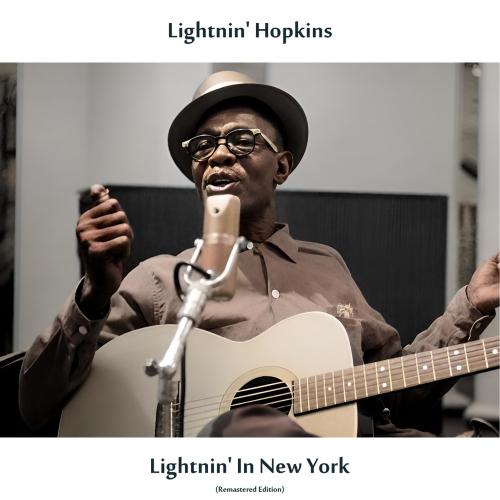
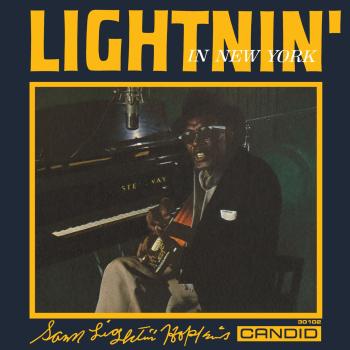
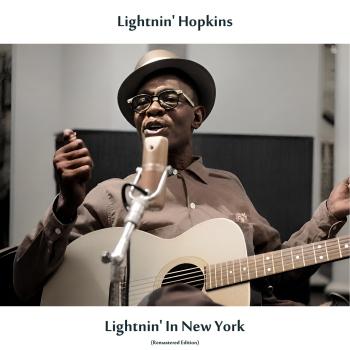
Lightnin' in New York (2026 Remastered Edition) Lightnin' Hopkins
Album Info
Album Veröffentlichung:
1960
HRA-Veröffentlichung:
28.07.2026
Das Album enthält Albumcover
Entschuldigen Sie bitte!
Sehr geehrter HIGHRESAUDIO Besucher,
leider kann das Album zurzeit aufgrund von Länder- und Lizenzbeschränkungen nicht gekauft werden oder uns liegt der offizielle Veröffentlichungstermin für Ihr Land noch nicht vor. Wir aktualisieren unsere Veröffentlichungstermine ein- bis zweimal die Woche. Bitte schauen Sie ab und zu mal wieder rein.
Wir empfehlen Ihnen das Album auf Ihre Merkliste zu setzen.
Wir bedanken uns für Ihr Verständnis und Ihre Geduld.
Ihr, HIGHRESAUDIO
- 1 Take It Easy (2026 Remastered) 06:21
- 2 Mighty Crazy (2026 Remastered) 07:09
- 3 Your Own Fault, Baby, to Treat Me the Way You Do (2026 Remastered) 04:48
- 4 I've Had My Fun If I Don't Get Well No More (2026 Remastered) 03:58
- 5 The Trouble Blues (2026 Remastered) 04:44
- 6 Lightnin's Piano Boogie (2026 Remastered) 02:32
- 7 Wonder Why (2026 Remastered) 06:16
- 8 Mister Charlie (2026 Remastered) 07:31
Info zu Lightnin' in New York (2026 Remastered Edition)
„Lightnin In New York“ wurde am 15. November 1960 in den Nola Penthouse Sound Studios in New York aufgenommen und zeigt den legendären Bluesmusiker in Bestform, darunter auch einige seltene Solos am Klavier.
Produziert von Nat Hentoff, Mitbegründer des Labels Candid Records, berühmtem Musikkritiker und sozialem Aktivisten, und aufgenommen zu einer Zeit, als Hopkins vom weißen Publikum wiederentdeckt wurde, zögerte der Bluesmusiker, seine neue Rolle als Künstler vor einem überwiegend weißen Publikum anzunehmen.
Erst einen Monat zuvor, im Oktober 1960, hatte Hopkins sein Debüt in der Carnegie Hall an der Seite der Folk-Größen Joan Baez und Pete Seeger gegeben. Davor hatte er sich selten außerhalb seiner Heimat Texas gewagt.
In diesem Album, so schreibt Hentoff in den außergewöhnlichen Begleittexten zur LP, hat Lightnin erneut gezeigt, wie frisch, persönlich und überraschend der Blues noch immer sein kann, wenn er von einer so starken und selbstbewussten Persönlichkeit wie diesem Mann aus Houston geprägt wird.
Lightnin Hopkins, Gesang, Gitarre, Klavier
Digital remastered
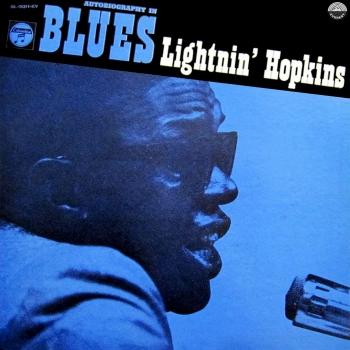
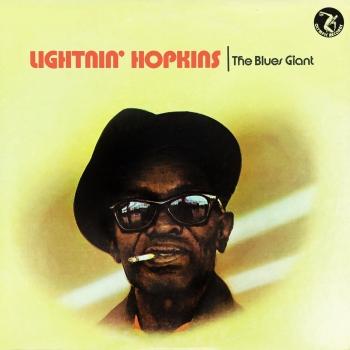
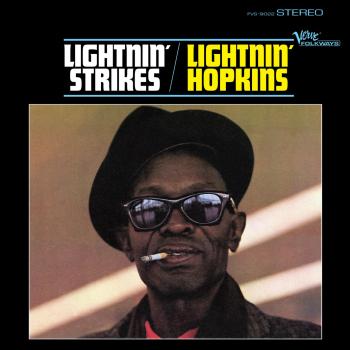

Sam Lightnin' Hopkins
Born in Centerville, Texas, Hopkins learned the blues when young in Buffalo, Texas from Blind Lemon Jefferson and his older cousin, country-blues singer Alger 'Texas' Alexander. When Hopkins and Alexander were playing in Houston in 1946, he was discovered by Lola Anne Cullum of Los Angeles', Aladdin Records (although Alexander would not make it out to L.A.) Hopkins' fast finger style is very distinct.
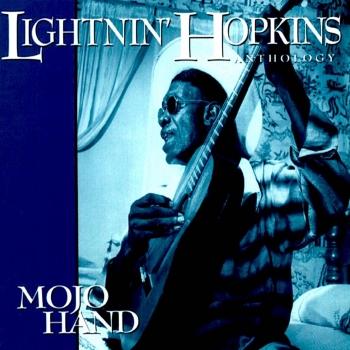
He settled in Houston in 1952 and gained much attention. Solid recordings followed including his masterpiece song Mojo Hand in 1960.
His style was born from spending many hours playing informally without a backing band. His distinctive style often included playing, in effect, bass, rhythm, lead, percussion, and vocals, all at the same time. His musical phrasing would often include a long low note at the beginning, the rhythm played in the middle range, then the lead in the high range. By playing this quickly - with occasional slaps of the guitar - the effect of bass, rhythm, percussion and lead would be created.
In 1968 Hopkins recorded the album Free Form Patterns backed by psychedelic rock band the 13th Floor Elevators.
Hopkins was a great influence on many local musicians around Houston and Austin, Texas in the 1950s and 1960s. He was an influence on Jimmie Vaughan's work and, more significantly, on the vocals and blues style of Ron "Pigpen" McKernan, the keyboardist of the Grateful Dead until 1972. He was also an important influence on Townes Van Zandt, the Texan folk/blues songwriter and performer, who often performed Hopkins numbers in his live performances. Doyle Bramhall II is another Texas artist who was influenced by Hopkins, as evidenced by a tattoo of Lightning on his upper left arm. Jimi Hendrix reportedly became interested in blues music listening to Lightnin' Hopkins records with his father.
A song named after him was recorded by R.E.M. on their album Document.
The Houston Chronicle included Hopkins in their list of "100 Tall Texans", 100 important Texans that influenced the world. The George Bush Presidential Library and Museum included Hopkins in a 100 Tall Texans exhibit that opened in September 2006. The display includes Lightnin's Guild Starfire electric guitar and performance video.
Hopkins' Gibson J-160e guitar is on display at the Rock n' Roll Hall of Fame in Cleveland, Ohio. Sam "Lightnin'" Hopkins (March 15, 1912 – January 30, 1982).
Dieses Album enthält kein Booklet