


Poetzsch: Noctunes Clemens Christian Poetzsch
Album info
Album-Release:
2026
HRA-Release:
09.10.2026
Label: Neue Meister
Genre: Classical
Subgenre: Instrumental
Artist: Clemens Christian Poetzsch
Composer: Clemens Christian Poetzsch (1985)
Album including Album cover
- Clemens Christian Poetzsch (b. 1985): Noctune:
- 1 Poetzsch: Noctune: I. Porto 03:36
- 2 Poetzsch: Noctune: II. Beirut 03:06
- 3 Poetzsch: Noctune: III. Praha 02:50
- 4 Poetzsch: Noctune: IV. Harare 02:58
- 5 Poetzsch: Noctune: V. Leipzig 04:21
- 6 Poetzsch: Noctune: VI. Athens 02:46
- 7 Poetzsch: Noctune: VII. London 03:05
- 8 Poetzsch: Noctune: VIII. Paris 02:29
- 9 Poetzsch: Noctune: IX. Toyohashi 04:11
- 10 Poetzsch: Noctune: X. Amman 03:44
- 11 Poetzsch: Noctune: XI. Spiekeroog 04:02
Info for Poetzsch: Noctunes
Shaped by fragments and moments of improvisation, the Noctunes are the personal take on the tradition of the Nocturnes?. This album contains a series of pieces dedicated to the quiet hours of the night?. Composer and pianist Clemens Christian Poetzsch is recognized for his unique blend of modern classical, jazz, and electronic music. He studied piano at the Hochschule fur Musik Carl Maria von Weber Dresden, earning his artistic diploma in 2010, followed by composition studies under Thomas Zoller.
Clemens Christian Poetzsch, piano
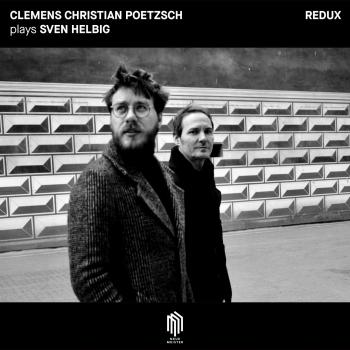
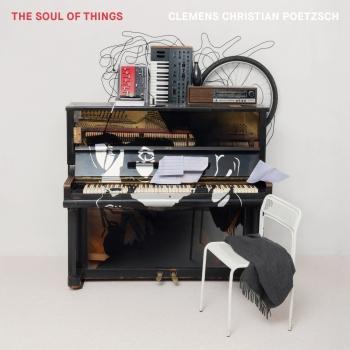
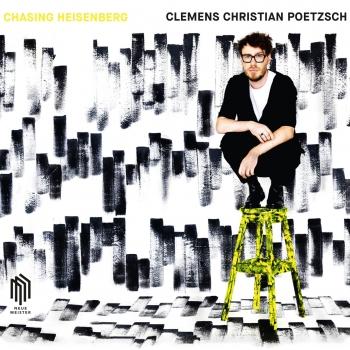

Clemens Christian Poetzsch
Deep inside, pianist Clemens Christian Poetzsch always knew what music meant to him: freedom. Freedom to improvise; freedom to create new worlds of sound; freedom to follow his instinct wherever it may lead him. His publications in collaboration with various musicians and his solo debut album (People & Places, 2016) already distinguished him as a special talent. On his new master debut, "Remember Tomorrow", he finally does justice to the role of the modern composer and gives free rein to the entire spectrum of his musical abilities - and with astonishing results.
During his childhood in Dresden, Poetzsch received his first piano lessons from his grandfather, an opera singer, and immediately immersed himself in the worlds of Bach, Schubert and Clementis. Then, at the age of ten, a birthday present from his brother: a music book with Frank Sinatra standards that opened his ears to more extensive musical possibilities. Poetzsch soon played in the bar of the neighbouring house, improvising and throwing song structures over and over again.
These were formative experiences that accompanied Poetzsch throughout his classical music education at the Hochschule für Musik in Dresden. During his piano and composition studies he spent his free time playing in jazz and free improvisation bands with friends and colleagues. He gave concerts, went on tour, discovered electronic music and absorbed all knowledge like a sponge. "I really like playing Bach and all the big ones," he says, "but from the beginning I just liked writing music myself and making my own songs. Playing in the orchestra or in big bands never really interested me".
And so what started as pure pleasure and the need to "find environments where I can surprise myself" became an ever-increasing influence on his music. "There never was a real plan," Poetzsch explains, "but I found that when I stepped away from all the sheet music and tried to find something for myself, it became my little language, and my voice and composition style really developed out of all of that."
This album contains no booklet.