



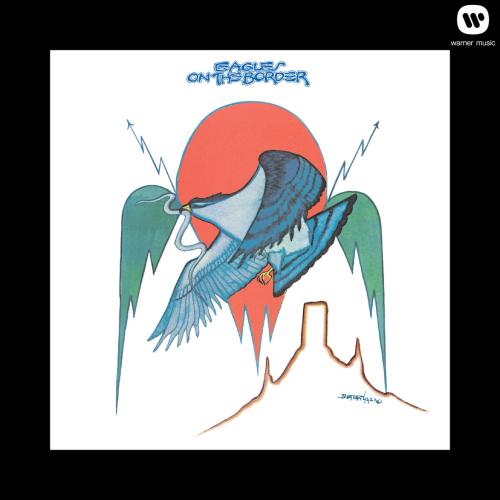
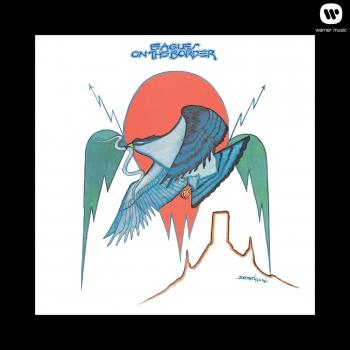
On The Border (Remastered) Eagles
Album info
Album-Release:
1974
HRA-Release:
28.06.2013
Album including Album cover
I`m sorry!
Dear HIGHRESAUDIO Visitor,
due to territorial constraints and also different releases dates in each country you currently can`t purchase this album. We are updating our release dates twice a week. So, please feel free to check from time-to-time, if the album is available for your country.
We suggest, that you bookmark the album and use our Short List function.
Thank you for your understanding and patience.
Yours sincerely, HIGHRESAUDIO
- 1 Already Gone 04:15
- 2 You Never Cry Like A Lover 04:00
- 3 Midnight Flyer 03:58
- 4 My Man 03:29
- 5 On The Border 04:23
- 6 James Dean 03:38
- 7 Ol' 55 04:21
- 8 Is It True? 03:15
- 9 Good Day In Hell 04:25
- 10 The Best Of My Love 04:34
Info for On The Border (Remastered)
On the Border is the third studio album by the Eagles, released in 1974. During the making of the album, the band experienced significant changes. As the band tried to lean towards a more hard rock sound, they felt that producer Glyn Johns overemphasized their country sound. After recording only two songs, the band let go of Johns and hired Bill Szymczyk.
At Frey's request they brought in guitarist Don Felder to add slide guitar to the song 'Good Day in Hell'. The band was so impressed that they invited Felder to become the fifth Eagle. They credited him as a late arrival on the album's liner notes. The album reached #17 on the charts and sold 2 million copies. The album also released three singles, 'Already Gone', 'James Dean' and 'Best Of My Love'. The singles reached #32, #77 and #1 respectively. 'Best of My Love' became the band's first of five chart toppers.
'On The Border is a tight and likable collection, with nine potential singles working in its favor and only one dud ('Midnight Flyer') to weigh it down. It's good enough to make up in high spirits what it lacks in purposefulness. And that might even be a fair trade if the Eagles would only decide they've already mastered this stuff, reign in their hit-making instincts and channel their energies into projects less easily within their grasp.' (Janet Maslin, Rolling Stone)
Glenn Frey, lead vocals, lead guitar, slide guitar, piano
Don Henley, lead vocals, drums, guitar
Randy Meisner, lead vocals, bass guitar
Bernie Leadon, lead vocals, lead guitar, banjo, steel guitar
Don Felder, electric guitar, slide guitar
Recorded at Olympic Studios, London (track 2 and 10) and Record Plant, Los Angeles, CA.
Produced and engineered by Allan Blazek, Gary Ladinsky, Bill Szymczyk (tracks: 1, 3 to 9)
Produced and engineered by Glen Johns (track: 2 and 10)
Digitally remastered
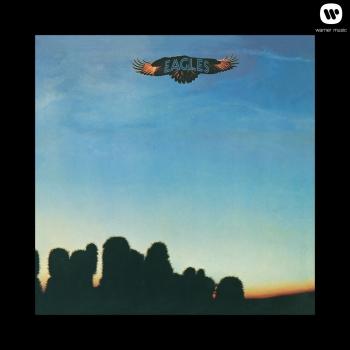
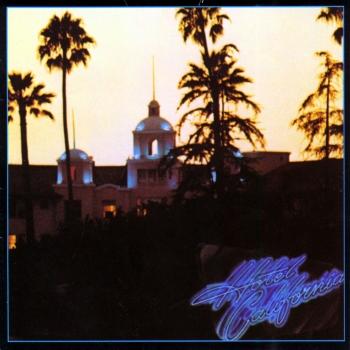
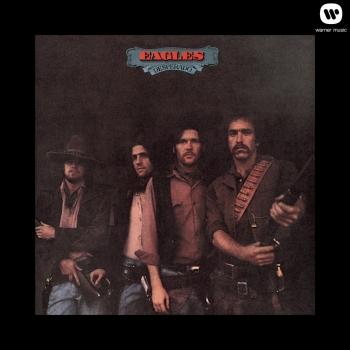

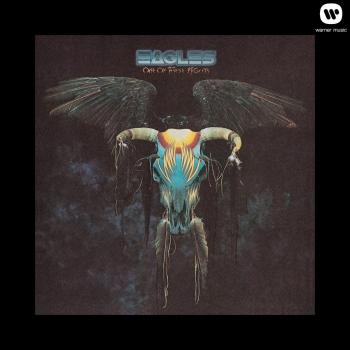
Eagles
were among the most successful American bands for almost a decade. They rose from obscurity to become the leading band of country-rock (a synthesis of pop/rock and country music, initially aimed at a return to bluegrass) and of "California rock of the 70s" (Rolling Stone). For Musik Express, the band became "synonymous with America." They polished the Western image, writing songs about tequila, outlaws, and James Dean. Behind this project were musicians who skillfully handled elements such as melancholy, dream worlds, and a pioneering spirit.
Don Henley, Glenn Frey, Bernie Leadon, and Randy Meisner first played together in 1971 in the backing band of the well-known singer Linda Ronstadt. The four experienced professional musicians decided to stay together, and the Eagles were born. Glenn Frey had played with Ry Cooder and J.D. Souther, who later wrote several songs with the Eagles. Don Henley debuted in 1970 with the Texas group Shiloh, Bernie Leadon had already played with Doug Dillard and Gene Clark and had been a member of the Flying Burrito Brothers. Randy Meisner had briefly been with Poco and then with Ricky Nelson's band.
In 1971, the band recorded their self-titled debut album in England under the direction of Glyn Johns. It featured the summer hit "Take It Easy" (US #12). The singles "Witchy Woman" (US #9) and "Peaceful Easy Feeling" (US #22) were also successful: The relaxed country/West Coast sound, with its distinctive guitar riffs, catchy rhythms, and clear vocals, resonated with audiences.
The Eagles embarked on their first US tour and, after its completion in 1973, dedicated themselves to the concept album Desperado. This album drew romantic parallels between the Doolin-Dalton Gang, a criminal organization that wreaked havoc in the Kansas area around 1890, and the outlaw existence of a rock rebel. The Eagles depicted the rise, euphoria, hubris, and fall of a superstar in Western mythology, seemingly capturing the American spirit perfectly. Commercially, however, the album wasn't yet a major breakthrough; the singles "Desperado," "Tequila Sunrise," and "Outlaw Man" received little attention.
For the recording of their third album, On the Border, the Eagles added Don Felder, who had previously played with Flow. Bill Szymczyk replaced Glyn Johns as the new producer. These two changes inspired the Eagles to achieve a "fuller, less rough sound and an exciting freshness in the guitar solos" (Melody Maker). "Soft guitar tones and beautiful vocal passages" (Sounds magazine) resulted in the not-so-successful singles "Already Gone" (US charts #32) and "James Dean" (#77), two down-to-earth rock songs. The band supported their record sales with constant touring commitments, so that On the Border eventually surpassed the million-seller mark. The third single from this album brought the Eagles their breakthrough: "The Best of My Love" reached number one on the US charts and was nominated for a Grammy Award.
This album contains no booklet.