







Soy Caminante (Remastered) Camarón De La Isla, Paco de Lucía
Album Info
Album Veröffentlichung:
2018
HRA-Veröffentlichung:
28.10.2026
Label: Universal Music Spain S.L.
Genre: World Music
Subgenre: Flamenco
Interpret: Camarón De La Isla, Paco de Lucía
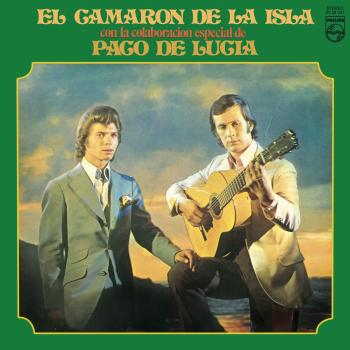
Das Album enthält Albumcover
Entschuldigen Sie bitte!
Sehr geehrter HIGHRESAUDIO Besucher,
leider kann das Album zurzeit aufgrund von Länder- und Lizenzbeschränkungen nicht gekauft werden oder uns liegt der offizielle Veröffentlichungstermin für Ihr Land noch nicht vor. Wir aktualisieren unsere Veröffentlichungstermine ein- bis zweimal die Woche. Bitte schauen Sie ab und zu mal wieder rein.
Wir empfehlen Ihnen das Album auf Ihre Merkliste zu setzen.
Wir bedanken uns für Ihr Verständnis und Ihre Geduld.
Ihr, HIGHRESAUDIO
- 1 El Caminante (Bulerías) 03:51
- 2 Reniego Haberte Encontrao (Tientos) 04:01
- 3 La Vida Es Una Ilusión (Fandangos De Juan El Camas) 03:37
- 4 Las Penas De Mi Mare (Seguiriyas De José De Paula Y Paco La Luz) 04:11
- 5 Me Olvidaste Te Olvidé (Cantiñas) 03:06
- 6 Qué Desgraciaitos Son (Tangos) 05:35
- 7 Que Camina Noche Y Día (Soleá De Cádiz) 03:39
- 8 Se Pelean En Mi Mente (Taranta) 02:30
- 9 Me Dieron Una Ocasión (Bulerías) 03:36
- 10 Mira Qué Bonitas Son (Fandangos De Lucena) 03:16
Info zu Soy Caminante (Remastered)
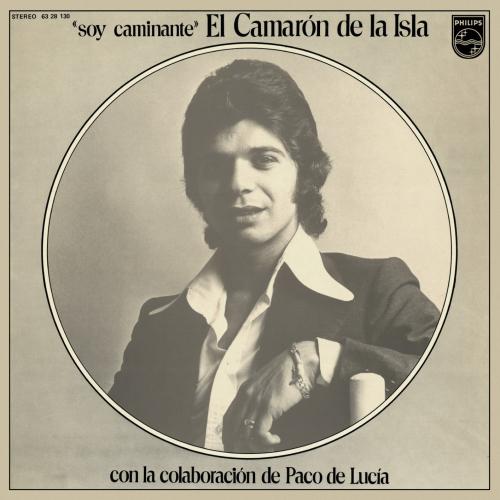
Camarón's sixth album, released during the final throes of Franco's regime. The cover photo is the same as on the previous album, Caminito de Totana (1973), taken by Pepe Lamarca, with a different color and frame. On the cover, for the first time, Camarón de la Isla's name appears in larger letters than Paco de Lucía's, and the "special collaboration" is reduced to simply "collaboration." As usual, Ramón de Algeciras plays second guitar.
The giant strides Camarón made with each new album left a profound mark on those who listened to his art, eventually becoming the innovator who would bring flamenco to a wider audience, thanks in part to Paco de Lucía's exceptional guitar playing. Paco's album Fuente y Caudal is very much present in this recording, particularly in many of the falsetas.
When this album was recorded, Las Grecas were at their peak. Camarón de la Isla and Paco de Lucía were fans of the duo. This explains why their influences resonate here, primarily in the two bulerías—"Me dieron una ocasión" is memorable—and in the tangos, where Camarón brilliantly laments his voice in the style and along the same lines as Las Grecas, and especially Tina. The pop influences that were impatiently permeating every aspect of Spanish music made their triumphant entry into flamenco aesthetics as well, and artists strove to project a renewed image. The results, in many cases, weren't entirely successful with the growing audience, and in the case of Paco and Camarón, we had to wait at least a couple more years before flamenco was subjected to a completely revamped sonic perspective.
This time, the tracks on the album are reduced to ten, compared to the twelve on previous recordings, partly because this selection includes longer-than-average pieces. The tientos draw on the Cádiz tradition, and José embellishes his playing with Camarón-esque flourishes, the same ones he incorporates into the seguiriyas of José de Paula and Paco la Luz. In the alegrías—actually cantiñas—he evokes Pinini. Both Paco and Camarón are superb in the soleares of Cádiz. The album is rounded out with the obligatory tarantos and some fandangos by Juan el Camas and others from Lucena.
Camarón de la Isla, vocals
Paco de Lucía, guitar
Ramón de Algeciras, guitar
Tío Fati, hand-clapping
Ricardo el Pelao, hand-clapping
Moncho, hand-clapping
Digitally remastered
Keine Biografie vorhanden.
Dieses Album enthält kein Booklet